Staff Writer
Mumbai: Tata Motors Ltd on Wednesday reported robust sales growth for the fourth quarter of FY26, delivering 1,32,465 commercial vehicles in domestic and international markets, marking a 25% year-on-year increase from 1,05,643 units in Q4 FY25. March 2026 sales stood at 47,976 units, up from 41,122 units in March 2025, reflecting continued momentum in the commercial vehicle sector.
Heavy and medium commercial vehicles drove growth, with domestic MH&ICV sales in March rising to 23,805 units, a 16% increase from the previous year. In Q4 FY26, domestic MH&ICV volumes reached 64,904 units, up 26% compared to Q4 FY25. Overall, domestic and international MH&ICV sales for the quarter stood at 68,007 units, up 26% from 53,995 units in Q4 FY25.
The company said FY26 also saw a strong performance in electric vehicles, registering a 59% year-on-year growth in volumes. SCV cargo and pickup sales increased by 25% in Q4 FY26, while HCV trucks rose 29% over the same period last year. Passenger carriers and ILMCV trucks also reported double-digit growth, underscoring broad-based demand across segments.
Mr. Girish Wagh, MD & CEO of Tata Motors Ltd, said FY26 witnessed a subdued first half for the commercial vehicle industry, followed by a decisive recovery in the second half, supported by improving demand, the rollout of GST 2.0, and strong momentum through Q3 and Q4. “In Q4 FY26, Tata Motors Commercial Vehicles registered sales volumes of 1,25,562 units, the highest since Q4 FY21, reflecting renewed customer confidence and improving freight activity,” he added.
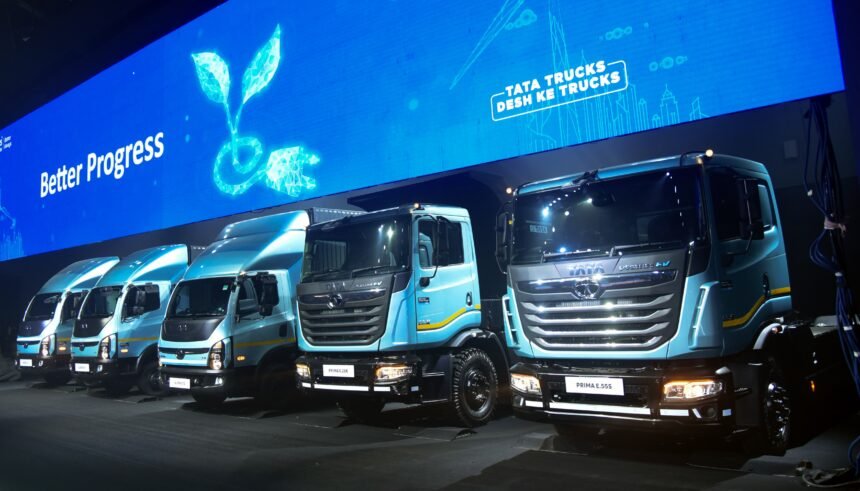
For the full fiscal year, Tata Motors reported 4,28,329 units sold, a 14% increase from 3,76,903 units in FY25. The company expanded its portfolio with launches including the Ace Pro and Winger 9S, upgraded its truck range to comply with European safety standards, and introduced the new Azura range, strengthening its competitiveness across key segments.
While March sales growth moderated amid geopolitical tensions in West Asia affecting certain sectors, Tata Motors said it had intensified efforts to ensure smooth logistics and uninterrupted operations. The company also highlighted its focus on monitoring diesel prices, assessing macroeconomic risks, and implementing mitigation measures to maintain production continuity.
Wagh emphasized that with a refreshed product portfolio and smart digital solutions, Tata Motors Commercial Vehicles is well positioned to capture emerging opportunities, continue delivering customer-centric solutions, and sustain value across its mobility offerings.